English
 Português
 Español


Peru is a land of breathtaking diversity—towering Andean peaks, lush Amazon rainforest, pristine lagoons, and world-famous archaeological sites like Machu Picchu. As tourism grows, so does the responsibility to protect these irreplaceable treasures.
For travelers, responsible behavior is essential. Every choice—big or small—can help preserve Peru’s natural ecosystems and cultural heritage for future generations.
In this guide, we share practical, meaningful ways you can travel responsibly and minimize your impact while exploring Peru.
Peru is home to:
However, these landscapes and cultural treasures are extremely sensitive. Increased visitation can lead to erosion, litter, damage to stone structures, and disruption of wildlife habitats.
By following responsible practices, travelers become protectors—not just visitors—of Peru’s natural and cultural wealth.
Peru’s natural ecosystems are fragile. Leaving designated paths contributes to soil erosion, disrupts native plants, and endangers wildlife. Whether hiking Rainbow Mountain, Humantay Lake, or the Inca Trail, respect all signage and barriers.
Many rural regions lack proper waste management. To help:
Some protected areas already prohibit single-use plastics—help support the initiative.
Peru’s animals—from Andean condors to Amazon monkeys—should be observed from a safe distance. Never feed wildlife, touch animals, or disturb their habitats. This protects both animals and travelers.
When possible:
Every choice reduces your environmental footprint.
Peru’s archaeological sites are incredibly ancient and delicate. Even small acts can cause irreversible damage.
Ruins like Machu Picchu, Ollantaytambo, and Sacsayhuamán are constructed with precision stonework. Touching, leaning, or sitting on them contributes to deterioration.
Rules exist to protect the site and your safety. Common restrictions include:
Respecting these rules helps preserve sites for centuries to come.
Even “harmless” initials or scratches cause permanent damage. Leave no trace—ever.
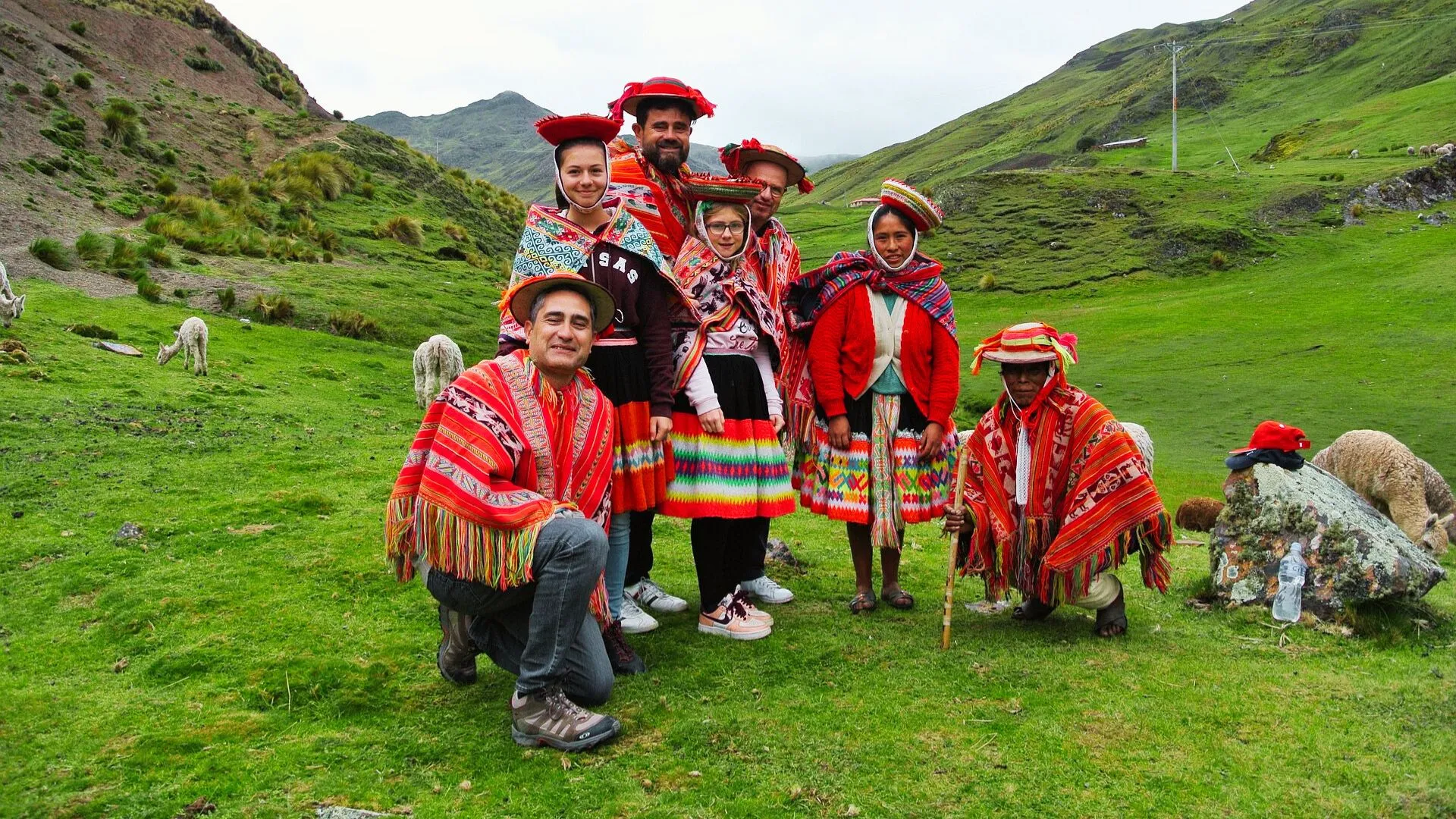
Peruvian communities value their traditions and privacy. Always ask for permission before photographing individuals, ceremonies, or sacred spaces.
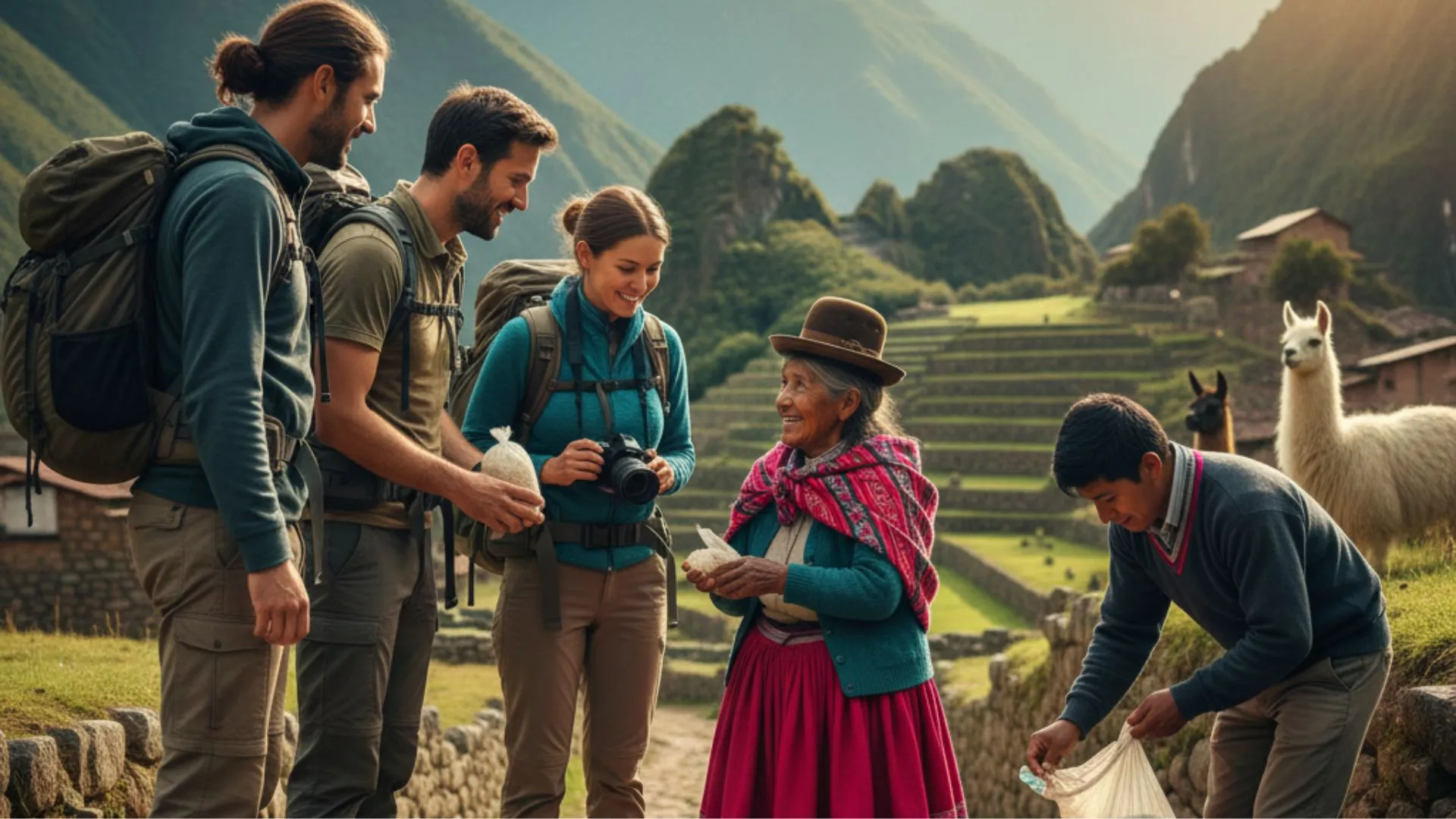
Many artisans depend on tourism for income. Purchasing directly from artists supports traditional craftsmanship and helps keep cultural practices alive.
Certain mountains, lakes, and temples hold deep spiritual meaning. Behave respectfully—speak softly, do not remove offerings, and follow the guidance of local communities or guides.
Selecting a responsible operator ensures your trip benefits local communities and protects the environment.
Look for companies that:
At Inca Peru Travel, we are committed to sustainable tourism that respects both nature and culture.
Here are simple daily habits to reduce your footprint:
Responsible travel is not complicated—it just requires awareness and intention.
Peru offers extraordinary landscapes and ancient wonders, but these treasures are fragile. By following responsible environmental and cultural practices, travelers help preserve them for the future while ensuring local communities thrive.
Every respectful step you take is a gift to Peru.