English
 Português
 Español


Peru is more than a destination—it’s a living museum of ancient wisdom, timeless artistry, and vibrant cultural expressions. While travelers come for Machu Picchu and archaeological wonders, Peru’s most profound treasures often go beyond stone walls and ruins. They live in the music, rituals, craftsmanship, and stories passed down for hundreds of generations.
In this article, we explore the essence of Peru’s Intangible Cultural Heritage, celebrating the traditions that continue to shape the identity of its people today.
Intangible Cultural Heritage refers to traditions, knowledge, and practices that communities inherit and keep alive through everyday life. In Peru, this includes:
This heritage is not preserved in a museum—it is practiced, celebrated, and transmitted from elders to younger generations.
One of the most iconic expressions of Andean culture, Huayno, blends indigenous rhythms with Spanish influences. The music tells stories of love, struggle, work, and connection with nature. Its energetic footwork and melodic sounds are common at festivals, markets, and family gatherings.
Peru’s national dance, the Marinera, reflects romance, flirtation, and cultural fusion. With refined movements and traditional attire, it showcases the diversity of Peru’s coastal heritage.
These dances aren’t performances crafted for tourists—they are an essential part of community identity and celebrations.
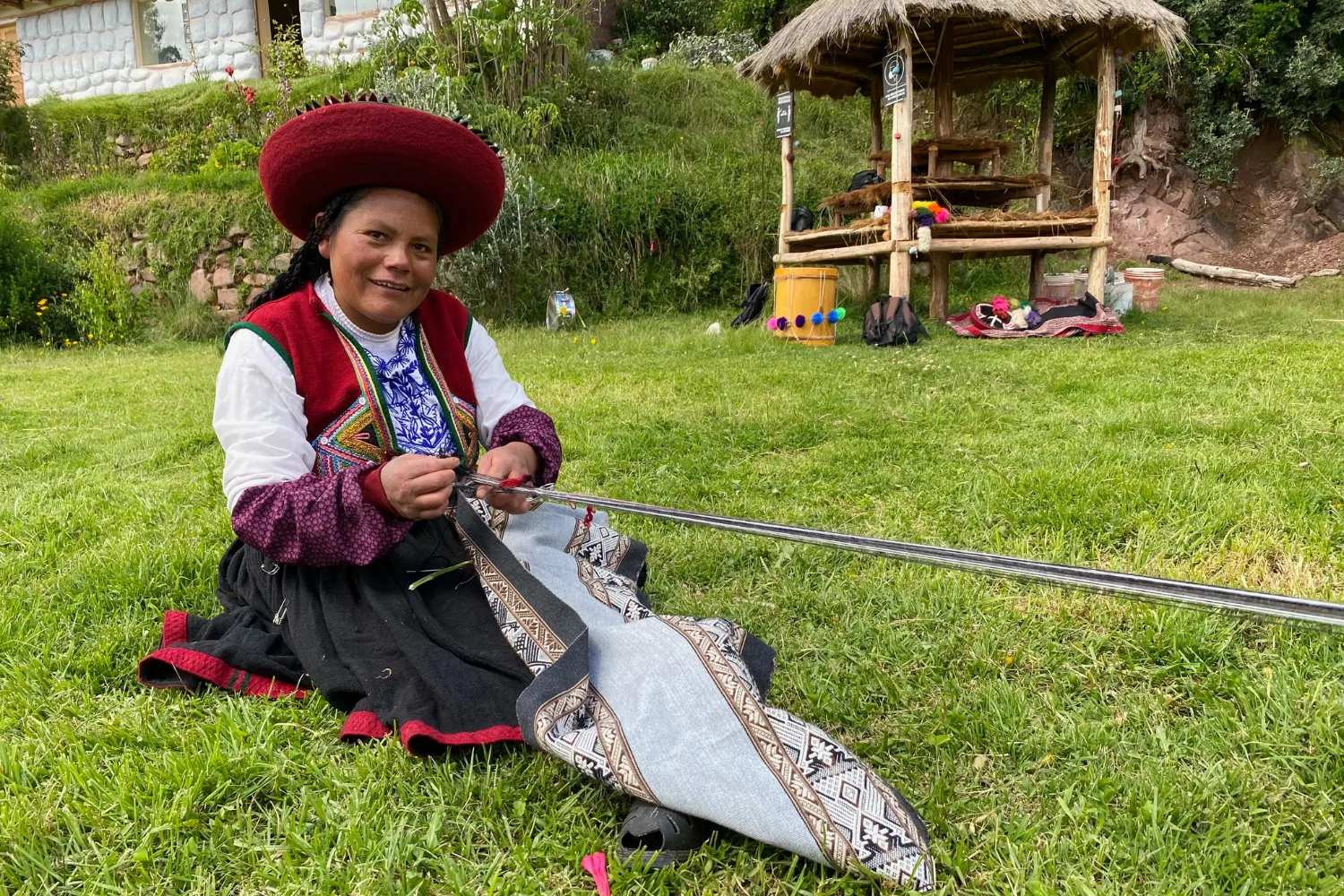
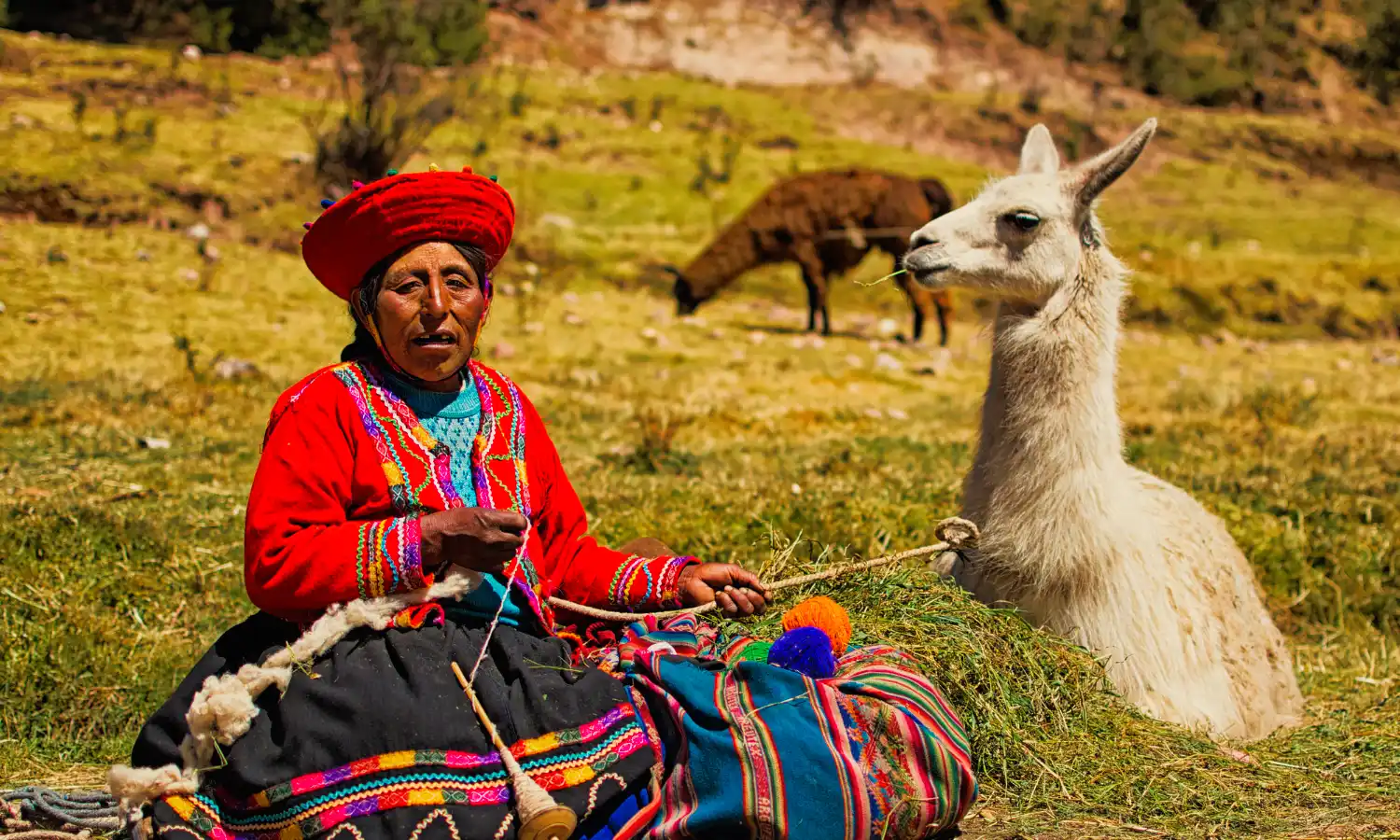
Peruvian weaving is one of the oldest and richest textile traditions in the world. Communities in Cusco, Puno, and Ayacucho preserve techniques that date back to Inca times.
Artisans use simple wooden looms tied around their waist, creating vibrant designs filled with meaning—symbols representing mountains, animals, or Andean deities.
Using plants, roots, and minerals, artisans produce vivid colors that last generations. Alpaca and llama wool offer softness, durability, and warmth.
Every textile is a story crafted by hand—an identity woven into fabric.

Peru is home to thousands of festivals each year, many blending indigenous Andean spirituality with Catholic traditions.
A grand reenactment of the Inca celebration honoring Inti, the Sun God. It symbolizes gratitude for harvests and the eternal relationship between Andean people and their land.
A UNESCO-recognized festival celebrated in Puno, filled with music, elaborate costumes, and deeply spiritual devotion. It reveals the powerful fusion of indigenous and Catholic beliefs.
These celebrations are vital cultural expressions that strengthen community bonds.
For countless generations, knowledge in the Andes has been shared through oral storytelling. Myths, legends, and historical narratives explain natural phenomena, moral lessons, and the origins of rituals.
Some well-known stories include:
These tales help preserve cultural continuity in an ever-changing world.
Peruvian cuisine is more than world-famous dishes—it reflects ancient techniques and cultural memory.
Food connects communities with their ancestors and landscapes.
Intangible heritage is essential because it:
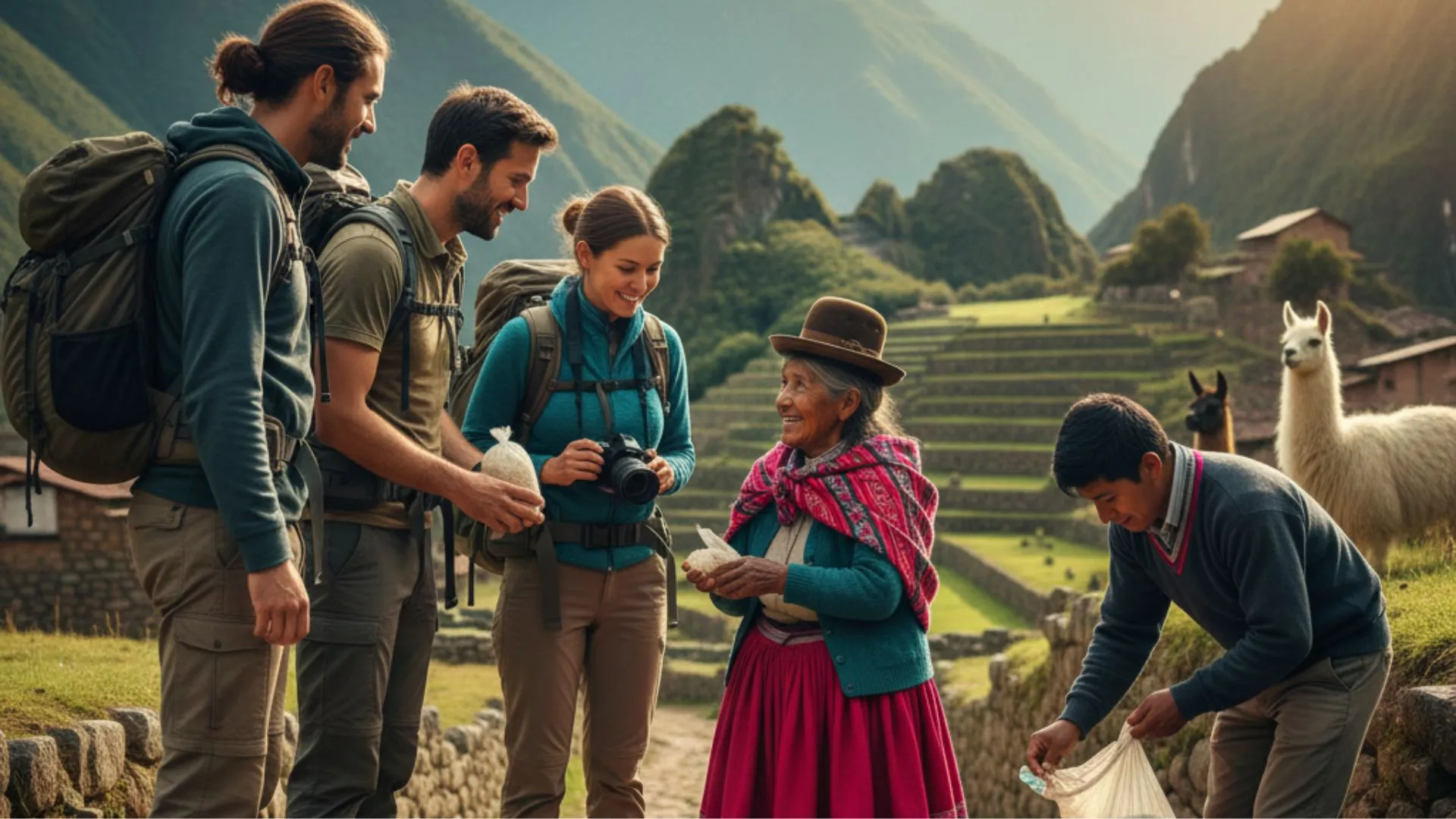
When travelers experience these traditions respectfully, they contribute to their preservation.
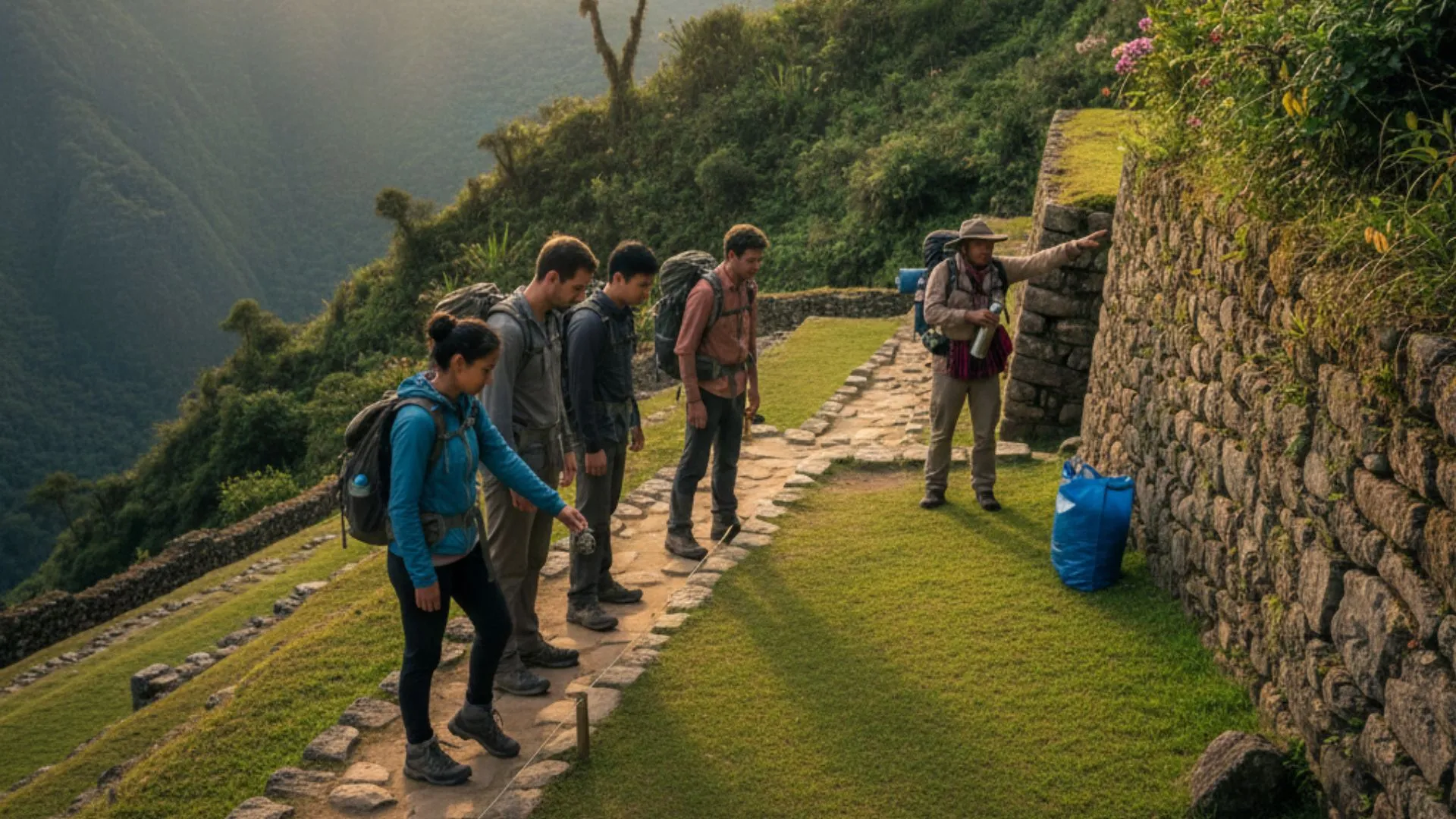
Visitors can play a vital role in safeguarding Peru’s cultural heritage by:
At Inca Peru Travel, we believe tourism can uplift communities and honor ancestral traditions when practiced responsibly.
Peru’s intangible cultural heritage is a vibrant living legacy that enriches the country far beyond its archaeological wonders. From music and weaving to rituals and festivals, these traditions are the heart and soul of the Peruvian people.
By celebrating and supporting them, travelers help ensure that these stories, techniques, and expressions continue to thrive for generations to come.