English
 Português
 Español


Peru is a country of extraordinary contrasts—snow-capped mountains, dense jungles, ancient temples, colorful festivals, and communities rich in ancestral traditions. As tourism continues to grow, travelers play an increasingly important role in helping protect both the environment and the cultural integrity of the places they visit.
Responsible travel is more than following rules—it is about adopting a mindset of respect, awareness, and appreciation for the people, landscapes, and heritage that make Peru unique.
This blog offers practical tips to help visitors explore Peru sustainably and respectfully.
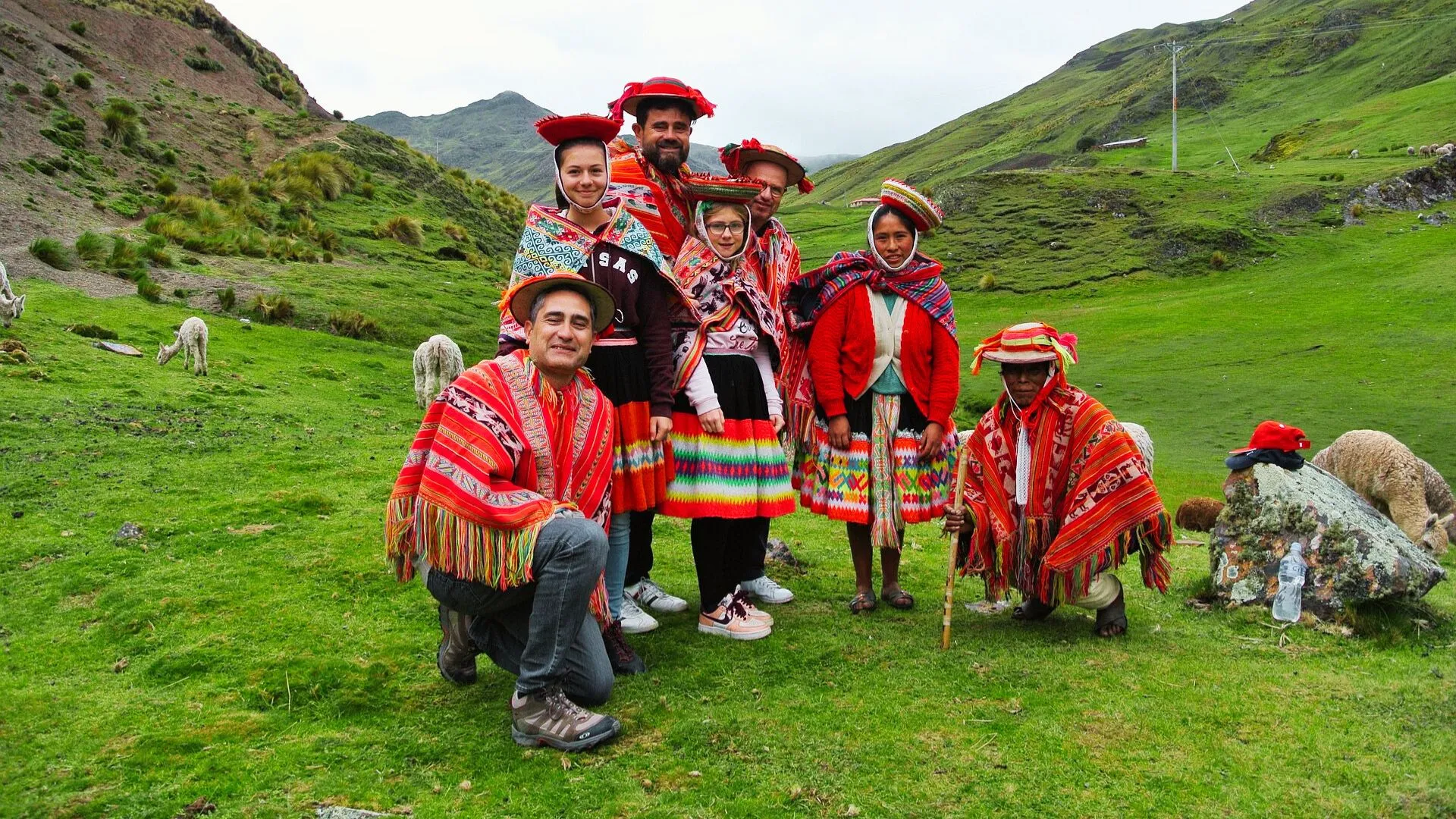
Many Andean and Amazonian communities hold strong cultural values around personal representation. Always ask for permission, especially when photographing elders, artisans, rituals, or sacred objects. A simple smile and gesture of respect go a long way.
Even basic words—Allinllachu (hello), Sulpayki (thank you)—show genuine appreciation for local culture. Communities highly value these small efforts.
In indigenous regions, modest clothing is appreciated. When visiting temples, churches, or sacred mountains, avoid loud attire and behave respectfully.
If you witness a traditional offering to Pachamama or a community celebration, observe quietly unless invited to participate. These moments carry deep cultural significance.
Purchasing directly from communities helps preserve traditional weaving, pottery, and craftsmanship. Look for authentic, handmade goods rather than mass-produced souvenirs.
Traditional dishes—like quinoa soups, cuy, or chupe de camarones—support local producers and sustain culinary traditions passed down through generations.
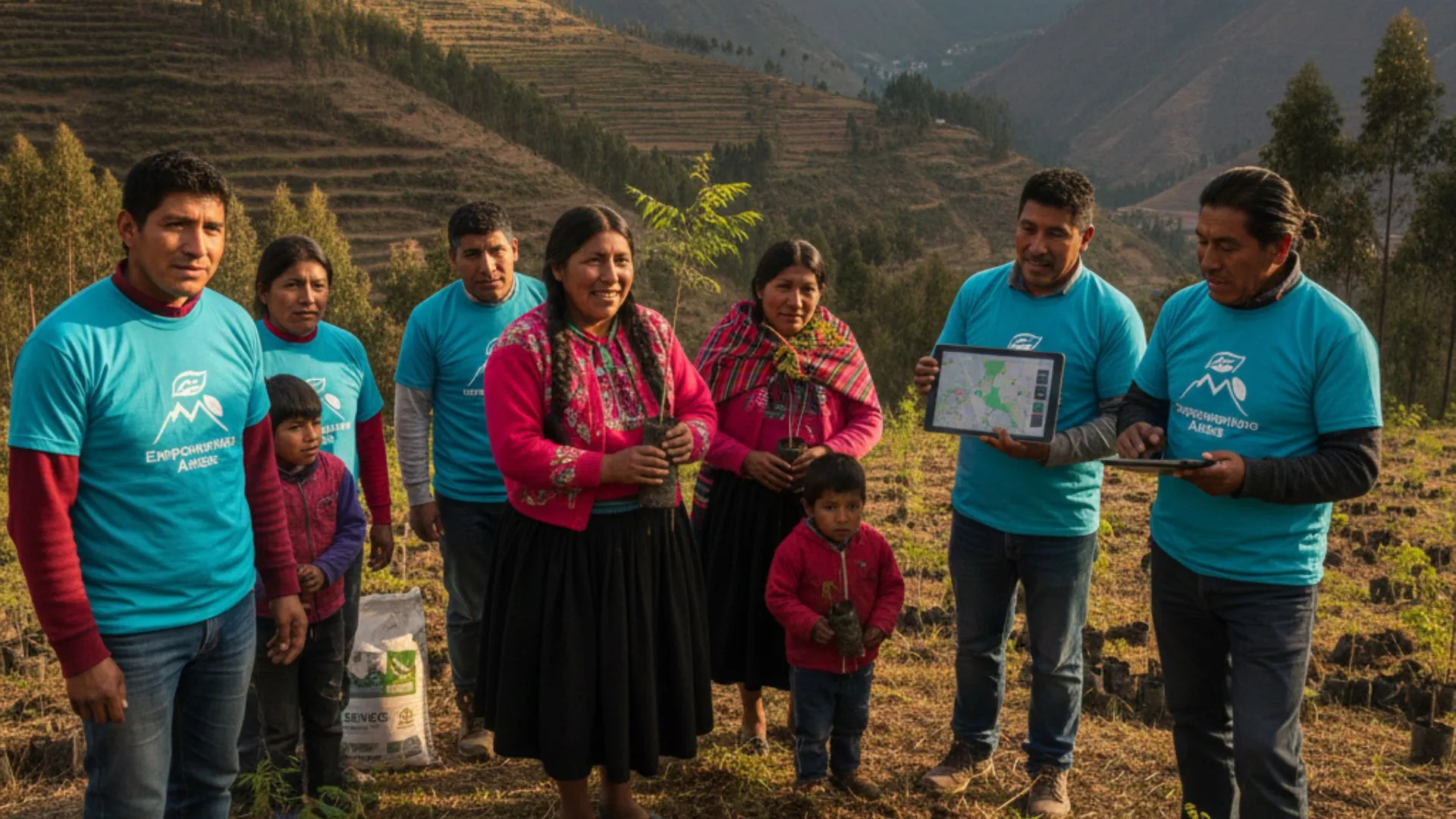
Several Andean communities offer homestays, weaving workshops, nature walks, and agro-tourism experiences. These programs provide fair income and help preserve cultural knowledge.
Carry a reusable bottle, avoid plastic bags, and bring refillable containers. Many natural and archaeological areas have limited waste management.
High-altitude and remote destinations often face water scarcity. Short showers and mindful water use help local communities. Turn off lights and chargers when not in use.
Do not pick flowers, remove stones, or disturb wildlife. Even small actions can damage delicate ecosystems.
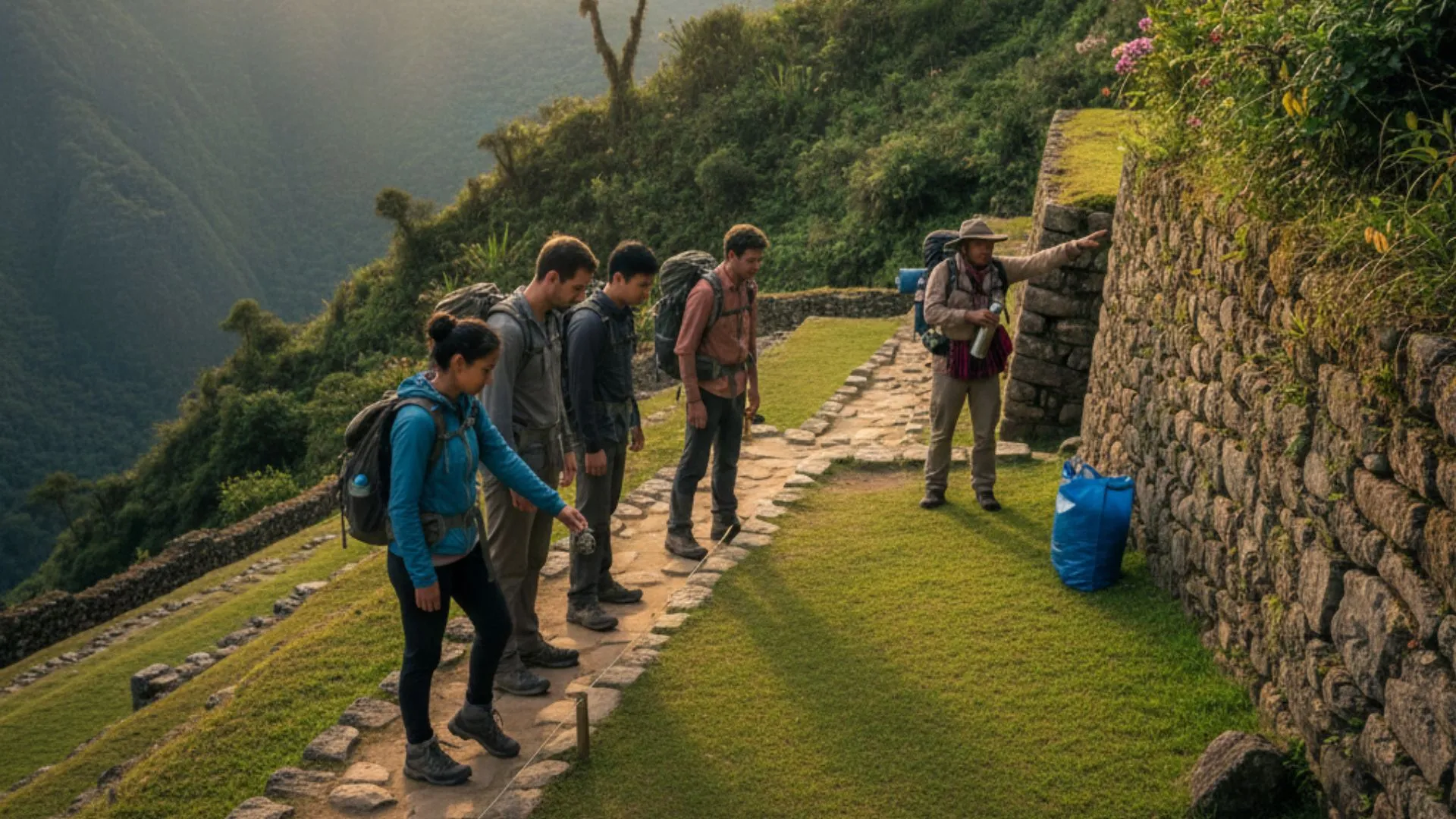
Marked paths exist to protect both visitors and archaeological structures. Venturing off-trail causes erosion and damages fragile artifacts.
Ancient stones at sites like Pisac or Sacsayhuamán are incredibly old and sensitive. Touching, rubbing, or climbing contributes to deterioration.
Sacred places are meant for contemplation. Speaking softly maintains the tranquility that locals and visitors value.
Many Peruvian regions face environmental threats such as glacier retreat, deforestation, water scarcity, and over-tourism. Travelers can help mitigate these impacts by:
Your presence can either contribute to the problem—or become part of the solution.
Responsible travel means acknowledging that you are entering someone else’s home, traditions, and worldview. Practicing cultural humility includes:
These attitudes foster meaningful connections and create positive impacts.
Traveling with respect is not complicated—it’s about being aware, thoughtful, and open-hearted. In Peru, every responsible choice helps preserve fragile ecosystems, support local communities, and honor ancient cultural traditions.
By embracing sustainable and culturally sensitive travel practices, you contribute to a more ethical and enriching tourism experience—for yourself and for the people who call Peru home.