English
 Português
 Español


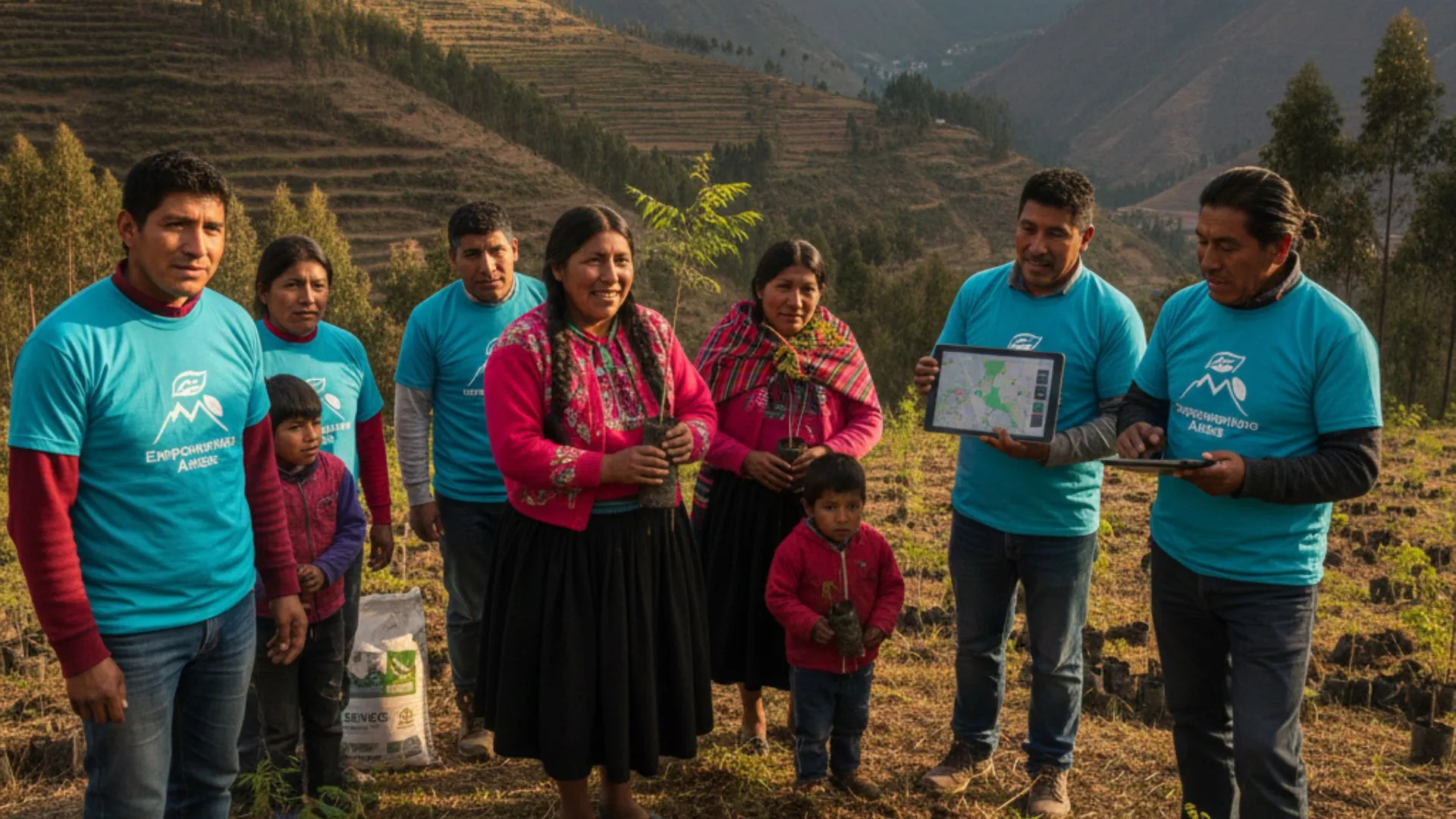
Peru is home to thousands of archaeological treasures—Inca citadels, ancient terraces, ceremonial temples, and pre-Inca settlements that reveal the complexity of Andean civilizations. While these sites attract global attention, their preservation depends largely on the commitment and stewardship of the local communities who live closest to them.
These communities are more than neighbors to archaeological sites—they are guardians. Through tradition, knowledge, and active participation, they protect Peru’s cultural legacy for future generations.
In this article, we explore how communities safeguard archaeological and cultural sites and how responsible tourism can support their essential work.
Local residents are often the first line of defense for archaeological sites.
Many communities organize volunteer patrols to:
These guardians work closely with cultural authorities and bring invaluable local knowledge to the protection process.
Schools often include heritage education programs, encouraging young people to value and protect their ancestral sites from an early age.
Community members play a vital role in preserving and restoring structures using traditional knowledge passed down through generations.
In regions like the Sacred Valley, villagers assist archaeologists by replicating ancient construction techniques:
This approach ensures that restoration remains authentic and respectful to original Inca engineering.
Ancient walking paths, including segments of the Qhapaq Ñan (Great Inca Road), are maintained by communities who use them daily. Their upkeep preserves not only infrastructure but cultural mobility and identity.
For many Andean communities, archaeological sites are not just historical—they are sacred.
Ceremonial fountains, caves, temples, and mountain shrines are cared for through:
These actions preserve both the physical site and the spiritual connection that gives it meaning.
Some communities limit access to sacred areas during rituals or agricultural cycles. This ensures cultural practices remain undisturbed and protects sensitive landscapes from overuse.
Long-term preservation depends on educating youth about the value of their heritage.
Workshops teach:
By strengthening cultural identity, communities reinforce their commitment to protect archaeological heritage.
Teachers integrate heritage topics into the curriculum, emphasizing respect, responsibility, and ancestral pride.
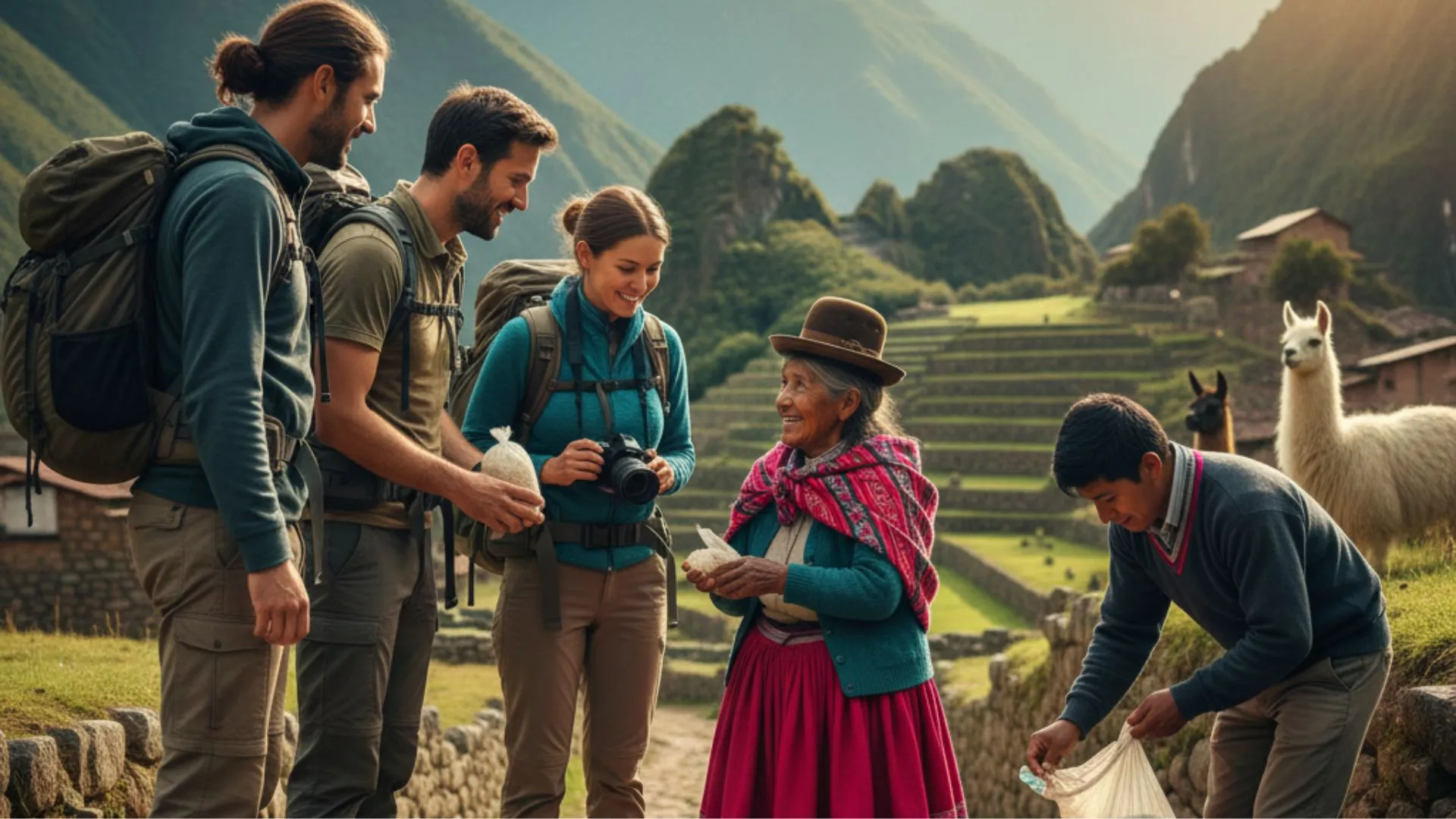
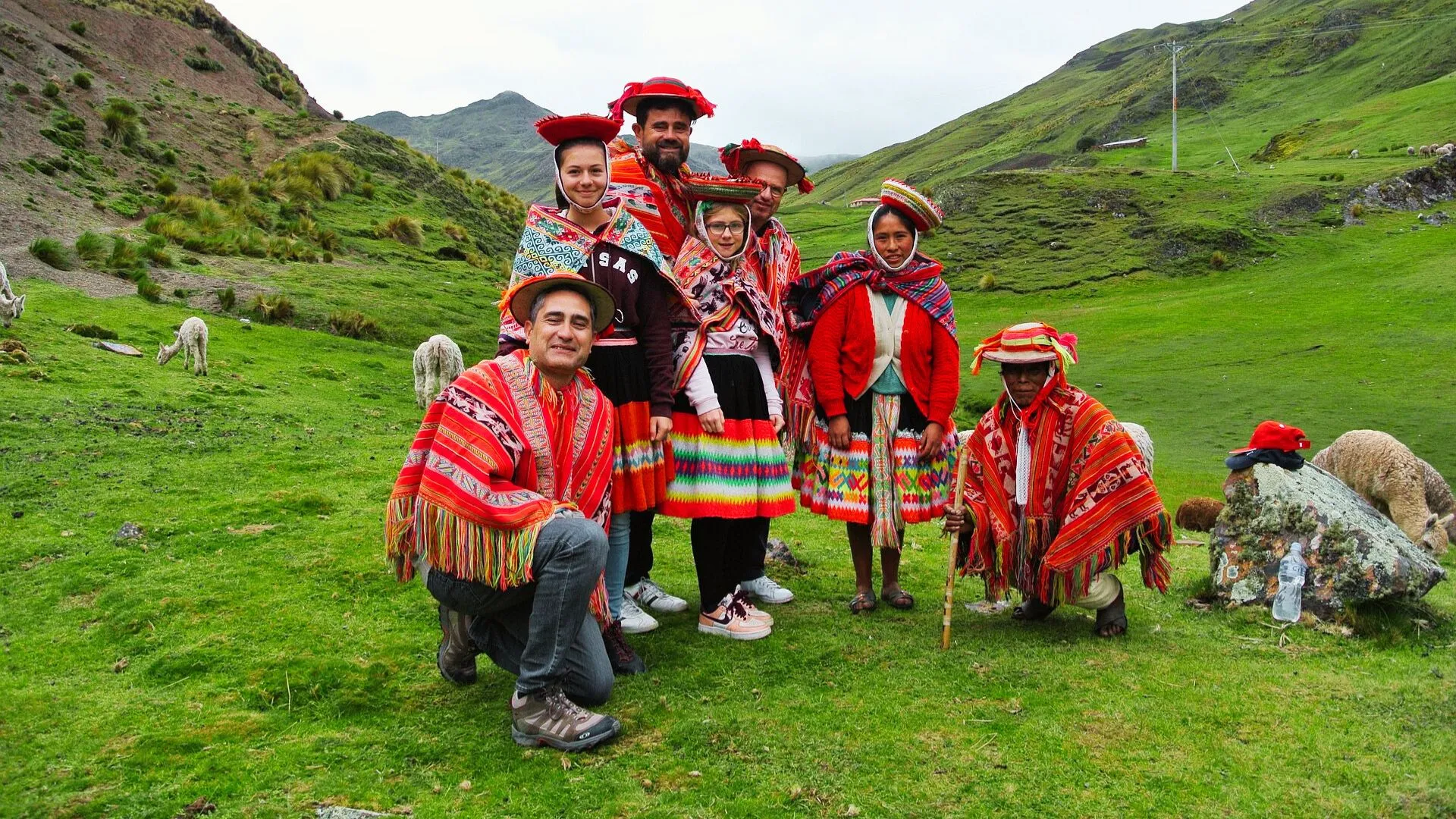
Many communities have formal agreements with tourism operators to ensure that visitation benefits local residents and protects archaeological sites.
These include:
Such programs generate income that is reinvested in site maintenance, education, and conservation.
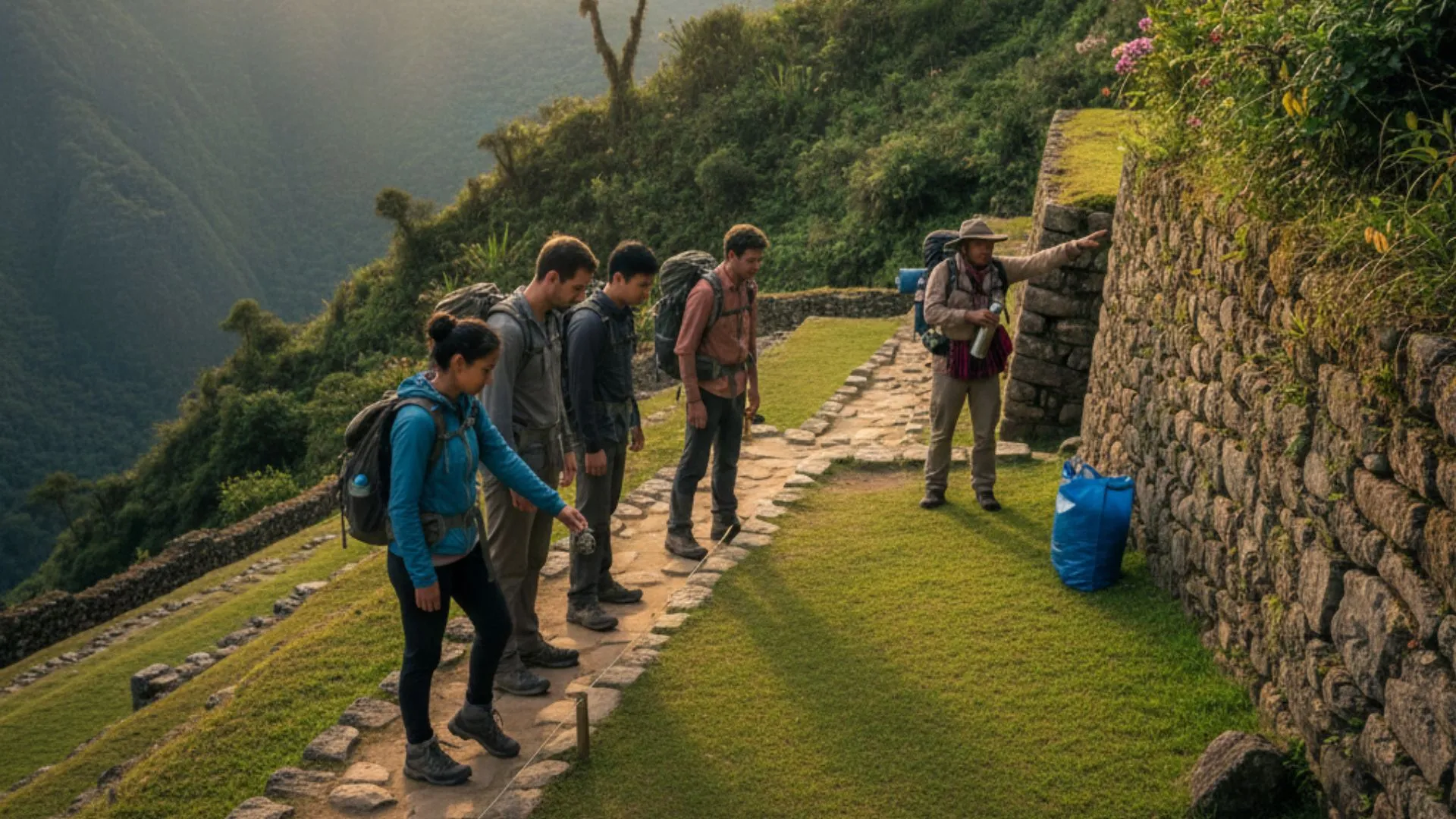
Locals often establish rules to protect sites, such as:
Visitors who respect these guidelines directly support conservation.
Despite their dedication, communities often confront:
Supporting their work is essential to safeguarding Peru’s heritage.
Responsible visitors can make a major difference by:
Small actions help ensure that Peru’s archaeological wonders remain intact.
Peru’s communities are the heart of heritage conservation. Through vigilance, ancestral knowledge, cultural pride, and sustainable tourism initiatives, they protect the archaeological and cultural sites that define Peru’s identity.
By valuing and supporting their role, travelers and tour operators contribute to a future in which these treasures remain alive, respected, and celebrated.