English
 Português
 Español


High in the Peruvian Andes, where mountains touch the sky and ancient traditions shape everyday life, local communities are leading powerful conservation initiatives that protect both nature and cultural heritage.
Their efforts preserve forests, safeguard wildlife, maintain ancestral agricultural systems, and restore archaeological sites—actions that build resilience and keep centuries-old knowledge alive.
This blog highlights inspiring community-led conservation projects and reveals how travelers can support these guardians of Peru’s heritage.
Many Andean communities have launched large-scale reforestation efforts to revive native forests affected by climate change, mining, and agricultural expansion.
Villagers in regions like Cusco, Puno, and Apurímac gather annually to plant species such as:
These forests protect water sources and create habitats for birds, llamas, foxes, and countless endemic species.
Local volunteers patrol communal lands to prevent illegal logging and monitor wildlife activity. These guardians blend traditional knowledge with modern conservation tools.
Long before sustainability became a global concern, Andean communities had already mastered environmentally friendly agriculture.
Communities in the Sacred Valley and surrounding regions restore ancient terraces to prevent soil erosion, increase productivity, and conserve scarce water resources.
Local farmers maintain thousands of potato varieties, quinoa strains, and medicinal plants. These seed banks ensure food security and protect biodiversity threatened by industrial agriculture.
This preservation isn’t just environmental—it’s cultural. Each seed carries a story, a lineage, and a connection to the land.
Andean cosmovision teaches respect for the Apus—the sacred mountain spirits that watch over communities. Protecting these landscapes is both a spiritual and ecological responsibility.
Community members monitor ceremonial sites to prevent:
These efforts protect ceremonial centers, ancient pathways, and open-air shrines that hold deep spiritual meaning.
Several villages have established agreements with tour operators to:
This empowers communities to manage tourism on their own terms.
Cultural preservation often goes hand-in-hand with environmental protection.
Events such as Apu Raymi and Pachamama Ceremonies reinforce ecological awareness by honoring land, water, and local spirits. Youth participation ensures these rituals continue.
Schools in many communities teach weaving, farming, herbal medicine, and storytelling—skills that strengthen cultural identity and reconnect children with their environment.
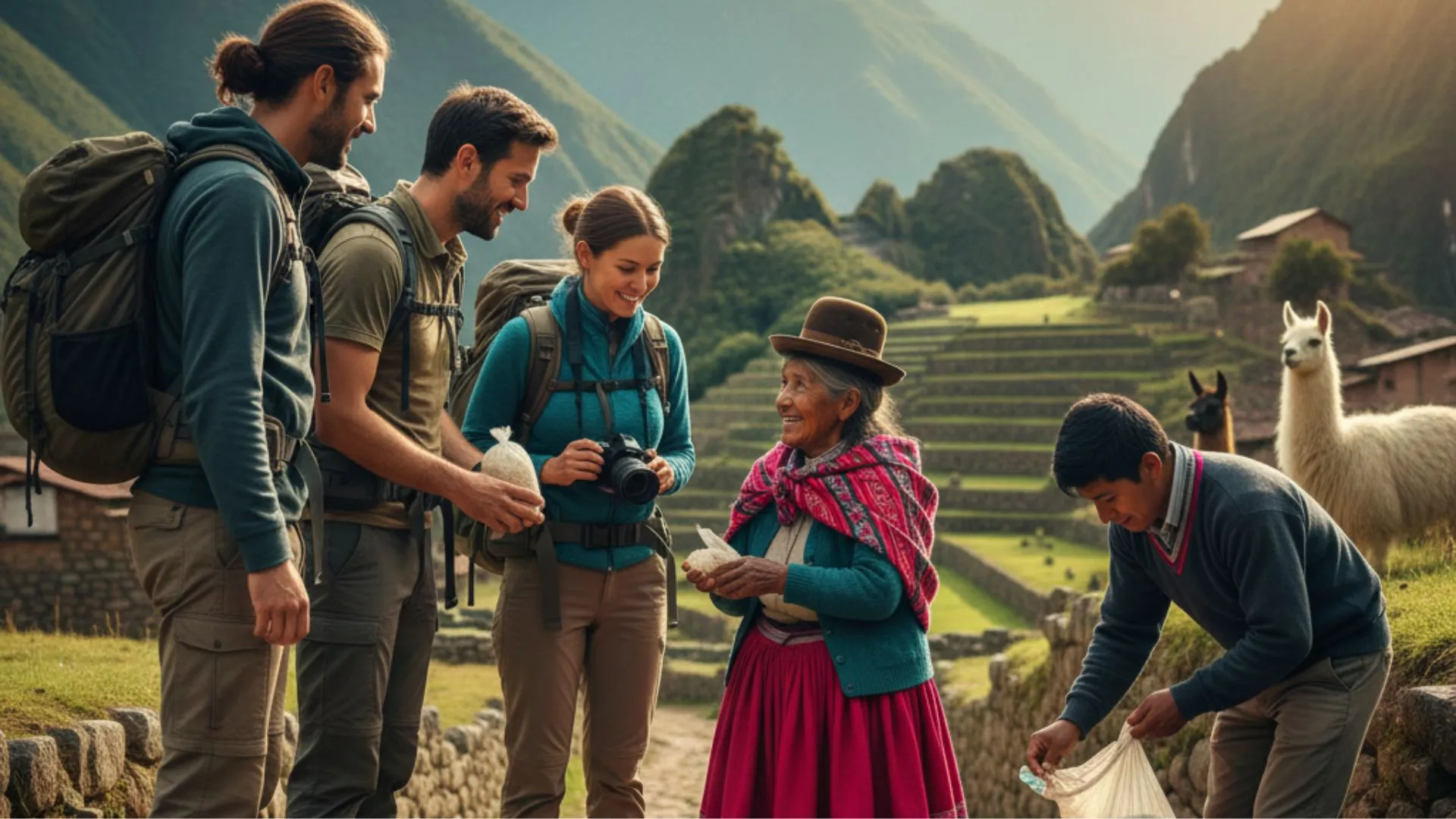
Community-based tourism (CBT) is one of the most effective tools for empowering local populations.
Travelers experience authentic Andean life while helping protect the environment.
Visitors have a meaningful role to play. Here’s how:
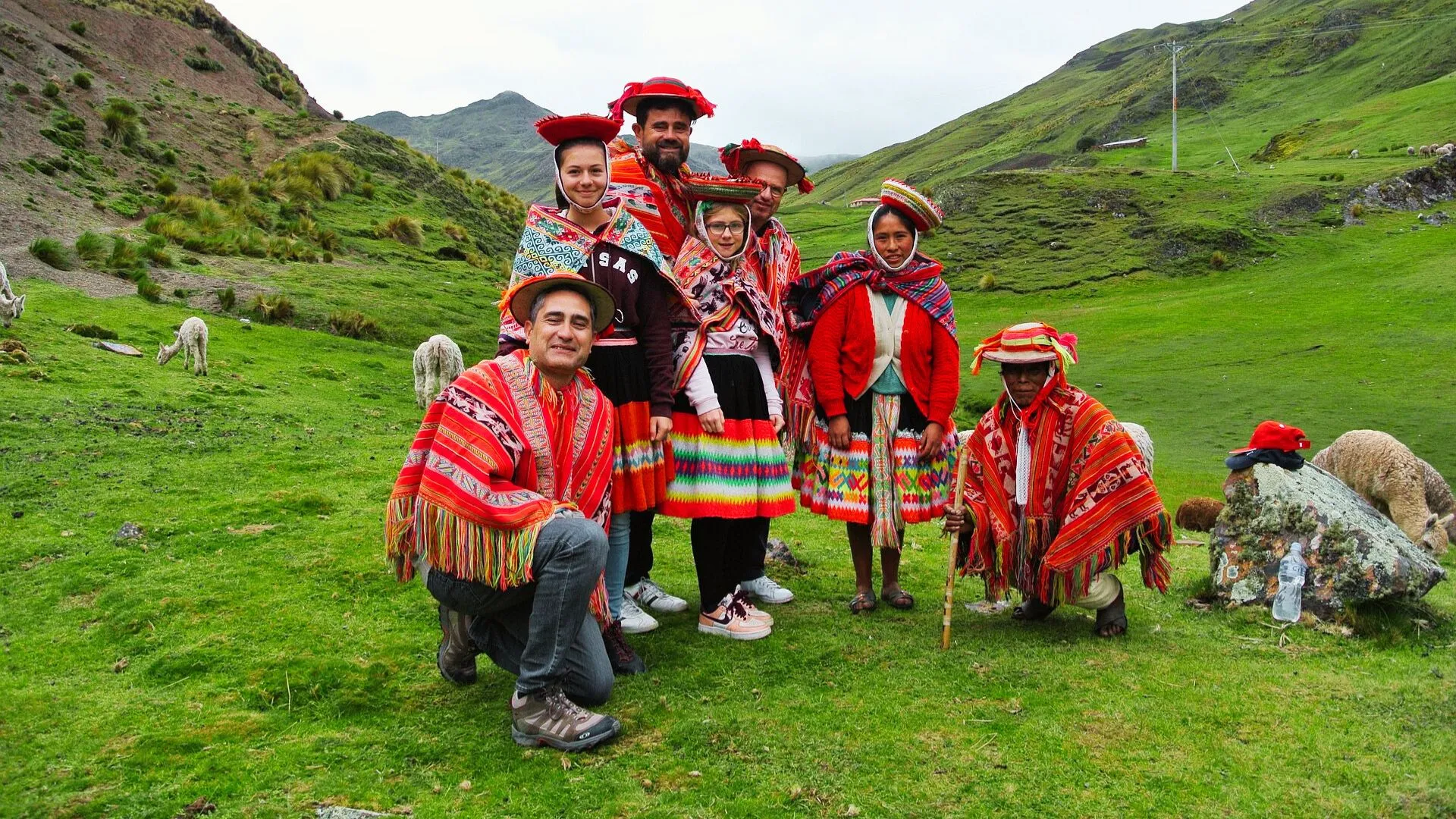
Stay in homestays, book village-led hikes, and participate in artisan workshops.
This keeps traditional weaving, pottery, and carving practices alive.
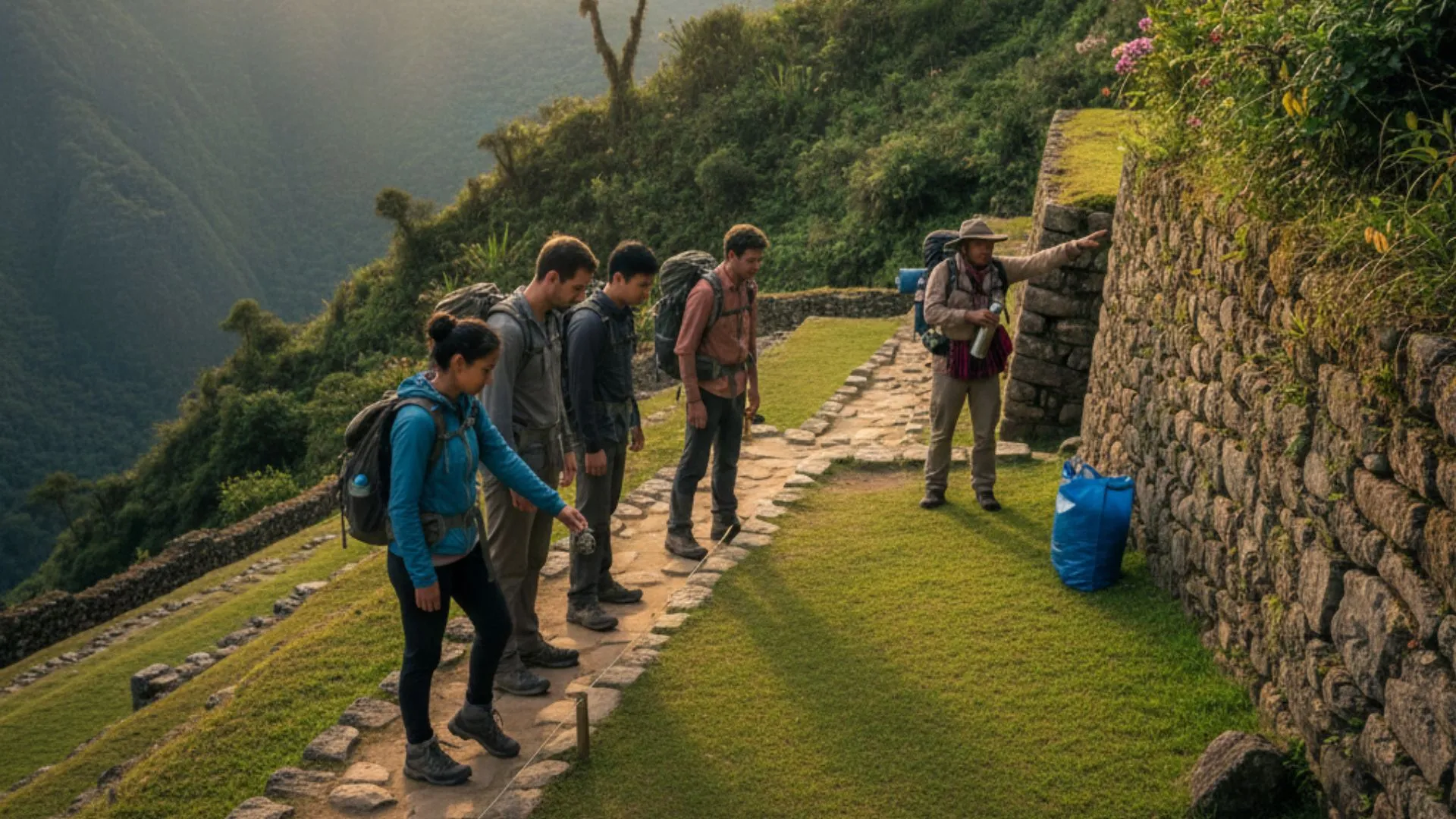
Follow community guidelines, stay on marked trails, and honor sacred spaces.
Support local reforestation or conservation programs, but ensure efforts are community-led.
Across the Andes, communities are proving that conservation and culture are inseparable. Through reforestation, traditional agriculture, sacred site protection, and community-based tourism, they preserve the landscapes and heritage that define their identity.
Their leadership inspires a model of sustainable living rooted in wisdom, resilience, and harmony with nature. When travelers support these efforts, they become partners in preserving Peru’s most precious treasures.