English
 Português
 Español


Peru’s Andes are more than towering mountains—they are guardians of ancient wisdom, living traditions, and collective memory. Across high-altitude villages and rural valleys, local communities continue to nurture cultural identities deeply rooted in rituals, festivals, language, agriculture, and spirituality.
These practices are not relics of the past—they are vibrant expressions of life that continue to shape the soul of the Andes today.
In this article, we explore how Andean communities protect their cultural legacy and how responsible travel can support their efforts.
In many Andean communities, cultural preservation is not a special project—it is embedded in daily routines. Families pass down agricultural techniques, weaving patterns, spiritual beliefs, and community values as naturally as they breathe.
The devotion to Pachamama, or Mother Earth, remains one of the most important traditions in the Andes. Offerings, small rituals, and moments of gratitude are practiced throughout the year, especially during planting and harvest seasons. These ceremonies reflect a worldview that values harmony with nature and respect for the land.
The ayllu—a traditional community structure—remains at the core of Andean society. It represents shared responsibility, mutual aid, and collective work. Through this system, communities maintain their fields, restore trails, hold festivals, and support one another.
Andean festivals are deeply meaningful cultural expressions that carry centuries of symbolism.
Each year, four Quechua communities gather to rebuild the Q’eswachaka—the last handwoven Inca suspension bridge. Using ancient weaving techniques and plant fiber ropes, this collective ritual preserves both engineering knowledge and cultural pride. It’s a UNESCO-recognized Intangible Cultural Heritage event.

While often associated with Catholic saints, these celebrations maintain strong indigenous elements—traditional dances, ancestral music, ceremonial offerings, and community feasts that bring families together.
Festivals are more than celebrations—they are communal ties that reinforce identity, history, and belonging.
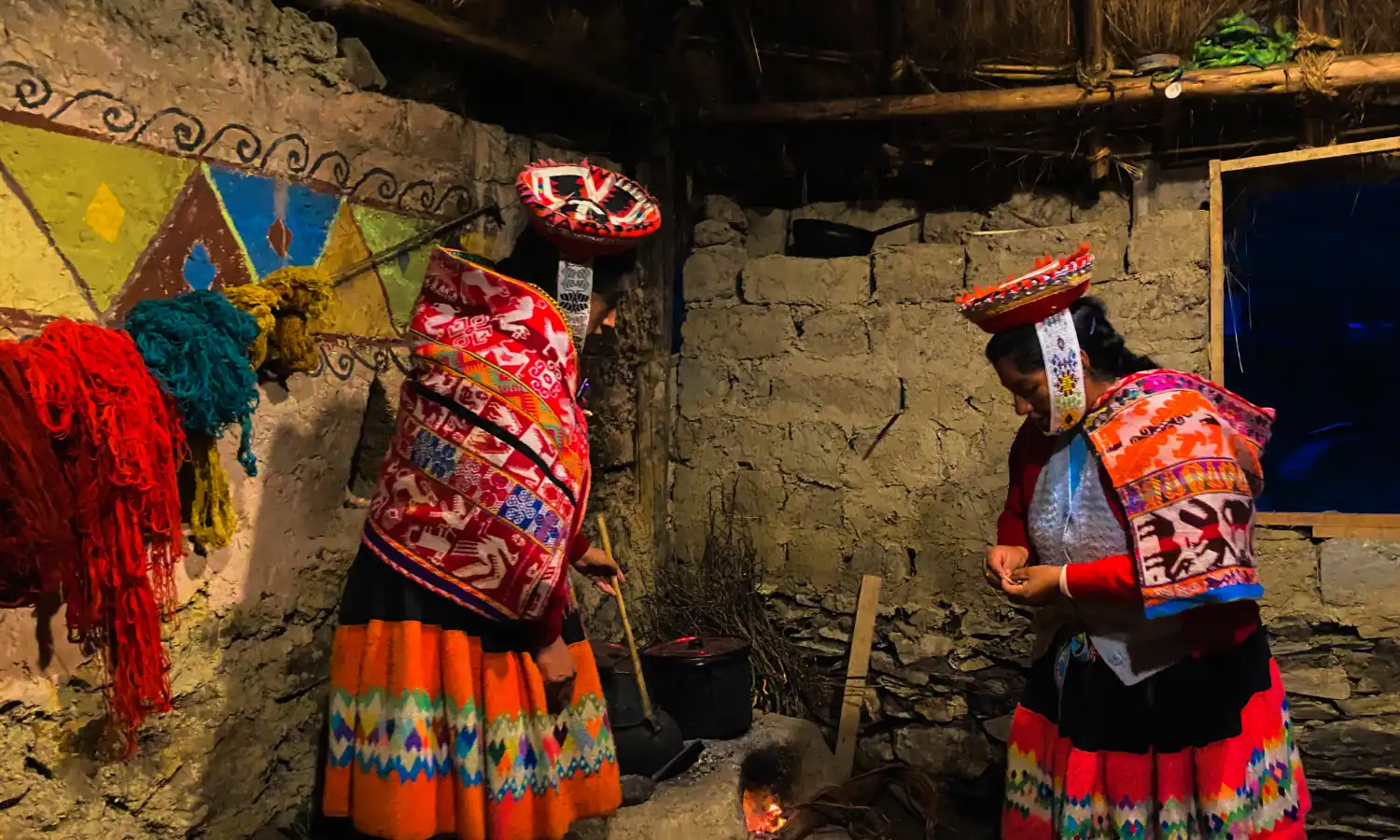
Communities like Chinchero, Patabamba, and Taquile continue to use backstrap looms, natural dyes, and ancestral patterns that carry symbolic meaning. Every textile is a living story—of mountains, animals, myths, and seasons.
In regions like Ayacucho and Huancayo, artisans preserve ancient pottery styles and decorative patterns, passing skills from one generation to the next.
These crafts not only safeguard cultural identity but also provide sustainable income for families.

The Colonial Church of Chinchero in Peru, South America
Quechua and Aymara—spoken by millions across Peru—are essential pillars of Andean identity. Many communities teach children in their native language before Spanish, ensuring oral heritage, songs, proverbs, and stories remain alive.
Efforts to promote bilingual education have strengthened cultural continuity and pride among younger generations.
Lares Machupicchu Trek 4 Days
Andean farming systems are masterpieces of ancestral innovation:
These techniques are not just preserved—they remain essential for survival in high-altitude environments.
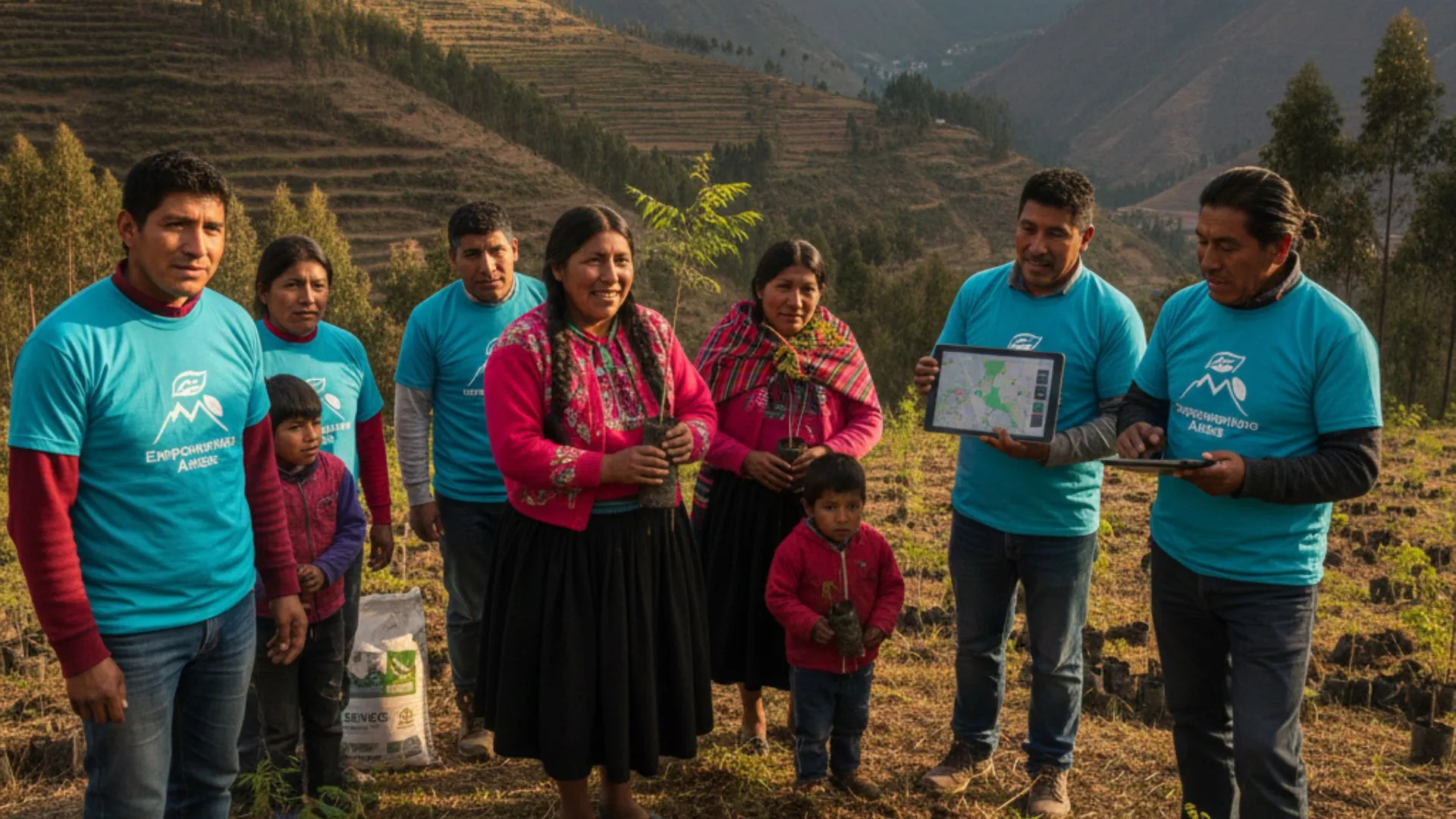
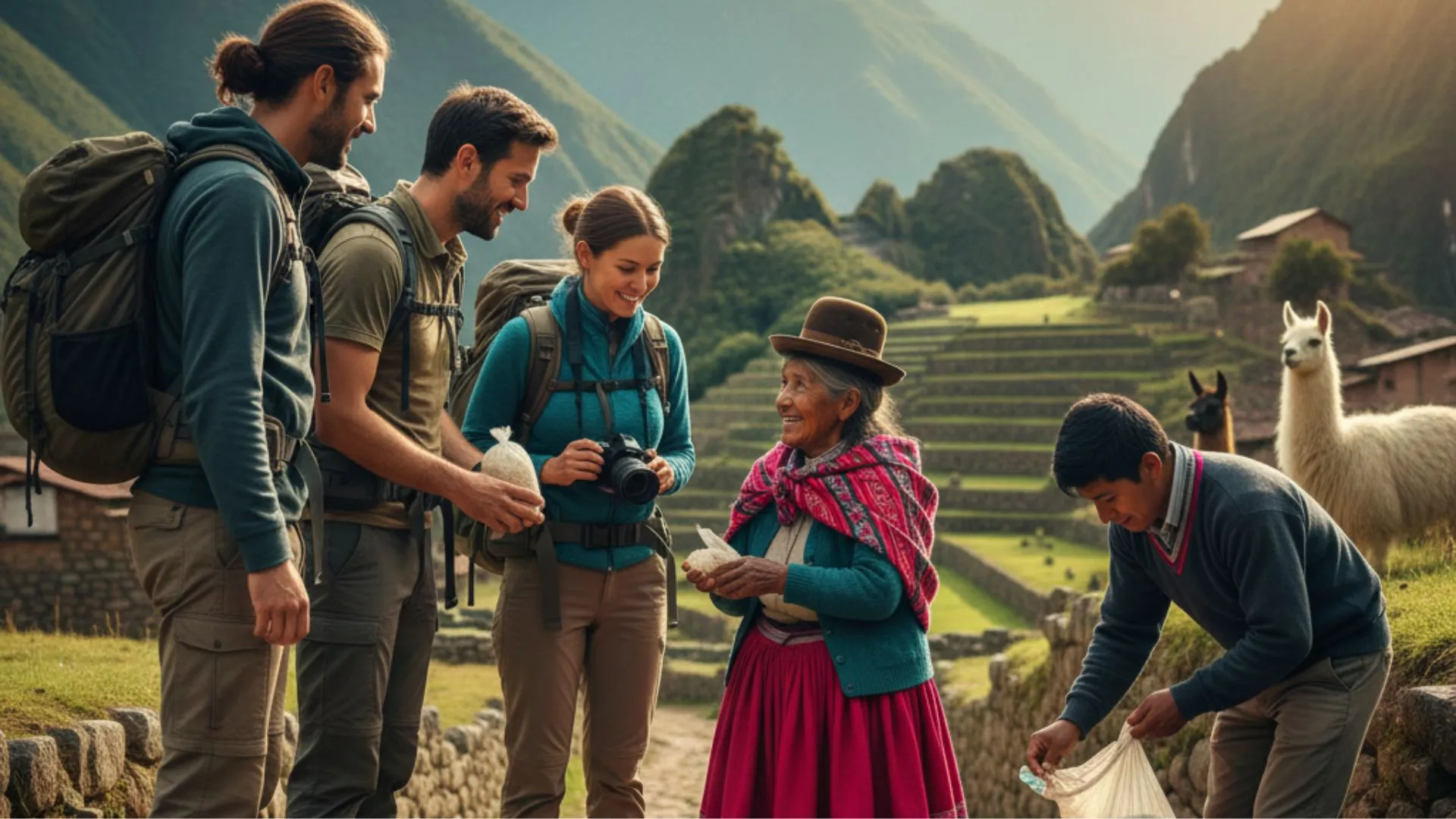
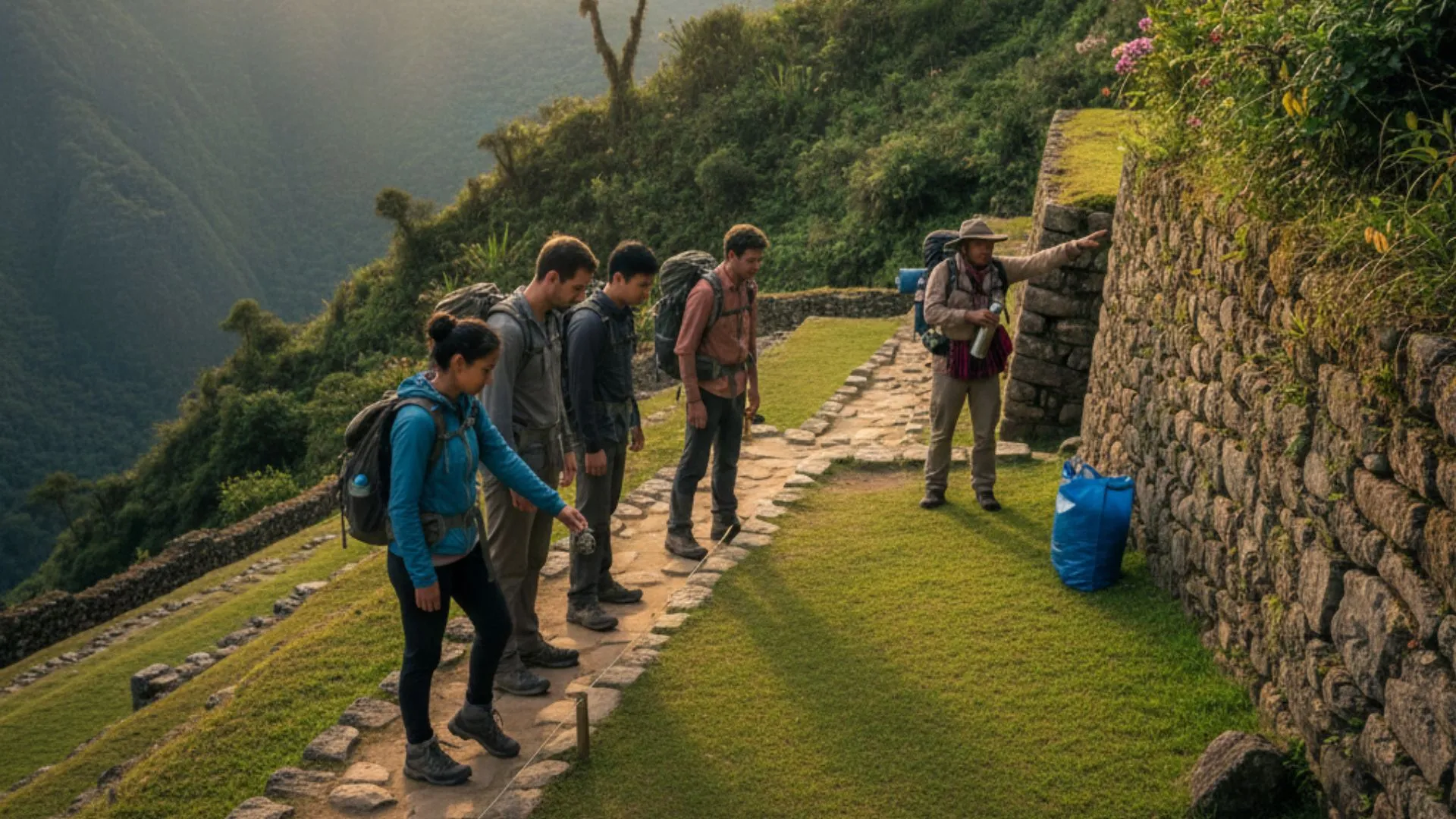
Tourism can uplift or harm local communities depending on how it is practiced. When travelers engage respectfully, they help preserve Andean culture.
At Inca Peru Travel, we prioritize cultural respect, community empowerment, and responsible travel practices.
The Andes are alive with traditions that embody wisdom, resilience, and identity. From rituals honoring Pachamama to ancient weaving patterns and communal celebrations, Andean cultural heritage is a treasure that continues to thrive thanks to the dedication of local communities.
Through awareness and responsible tourism, we can help ensure these sacred traditions remain vibrant for generations to come.